OEM_LCV

Fleet telematics or fleet management: what’s the difference?

The two terms get used interchangeably, and that causes real confusion. They answer different questions.

Telematics answers "what is happening?" It measures: a vehicle is here, travelling at this speed, using this much fuel, reporting this fault code. It is a technical layer, made up of an onboard sensor, a data connection, and a receiving platform.

Fleet management answers "what should we do about it?" It organises: schedule a service, coach a driver, decide between a diesel and an electric replacement, plan a route.

In short, telematics produces the data and fleet management produces the decision. A tracking device on its own does not reduce your costs. What you do with the data it produces is what reduces them.

The needs of fleet telematics 

  • Maintaining visibility of your fleet with both live tracking and historical data
  • Responding swiftly to changing circumstances and emerging demands
  • Using reliable insights to guide decisions around vehicles and driver performance

How fleet telematics works

  1. Collection. A connected device, typically linked via the vehicle’s diagnostic port, records vehicle data and GPS position.
  2. Transmission. That data is sent over a mobile network to a central platform, continuously or at set intervals depending on configuration.
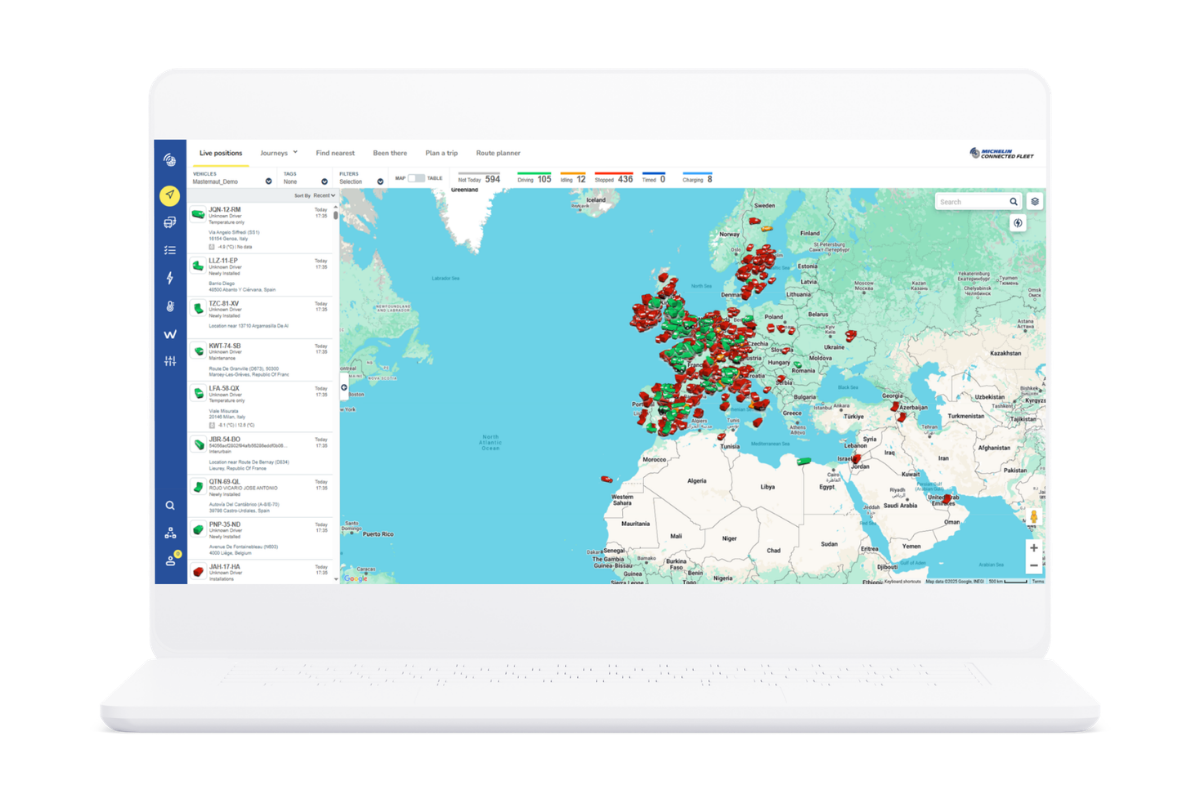
  3. Reporting. The platform turns the raw data into something usable: maps, dashboards, alerts, and reports your team can act on.

On newer vehicles, this connectivity can come factory-fitted. MICHELIN Connected Fleet works with a range of vehicle manufacturers to make use of this data where the vehicle supports it.

How our Telematics Solutions Help You

geolocation-tn-3

Operational Efficiency

Gain oversight of vehicle movements, usage, and driver activity to streamline journey planning and minimise downtime. With better visibility of fuel usage patterns, fleet managers can act early to control costs, improving productivity and overall operational efficiency.

Safety

Track driving patterns such as speed, idle time, and sudden braking to build a clearer picture of driver behaviour. These insights support targeted coaching, encouraging safer and more efficient driving practices, and if an incident occurs, immediate alerts enable managers to quickly take appropriate action.

Maintenance

Stay on top of vehicle upkeep with continuous visibility of condition, usage, and service schedules. This enables proactive maintenance planning, minimising unplanned faults and costly downtime. Real-time diagnostics also flag potential issues early, keeping your fleet reliable.
geolocation-tn2-3

Productivity

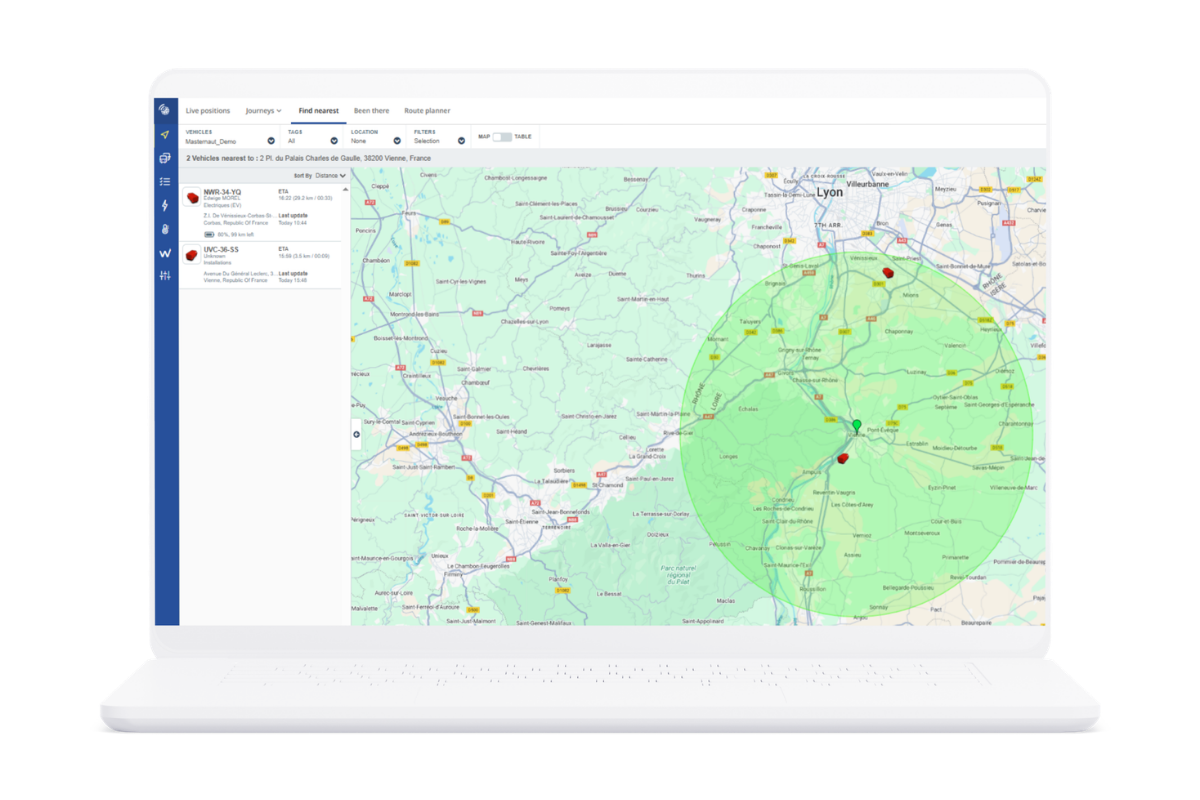
Improve output with detailed visibility of both vehicle activity and driver performance. Managers can follow journeys as they happen, keep schedules on track, and allocate the closest available driver to incoming tasks, resulting in quicker deliveries, more reliable ETAs, and a better experience for customers.

Scalability

Adapt your telematics setup to suit fleets of any size, from small operations to large organisations. With flexible plans in place, you can expand or adjust the service as your business evolves, ensuring it continues to meet your changing needs.

Compliance

Reduce paperwork with automated logging of driver hours, mileage, and journey data. Digital records simplify reporting and provide clear audit trails, helping fleet managers stay organised and meet regulatory obligations with confidence.

GPS tracking and privacy law in Australia

GPS vehicle tracking is legal in Australia, but the rules that apply depend on both federal and state or territory law, and there is no single regulator that covers every case the way there is in some other markets.

At the federal level, GPS location data counts as personal information under the Privacy Act 1988, which means it is subject to the Australian Privacy Principles overseen by the OAIC: lawful collection, transparency about what is collected and why, and reasonable security. This applies nationally, regardless of which state a fleet operates in.

New South Wales and the Australian Capital Territory both require written notice to employees before vehicle tracking begins, with at least 14 days required under section 10 of the NSW Workplace Surveillance Act 2005 and the equivalent provision in the ACT's Workplace Privacy Act 2011. Covert surveillance without authority is a specific offence in both jurisdictions, carrying a maximum penalty of 50 penalty units, which in NSW currently equates to $5,500 per offence.

A significant recent change is also worth knowing about: since June 2025, amendments to federal privacy law introduced a statutory tort for serious invasions of privacy, meaning an employee can sue directly over a serious, intentional, or reckless privacy breach. Covert or undisclosed GPS tracking could fall within that.

None of this should be read as legal advice. Requirements vary by state, change over time, and depend on your specific situation; confirm your obligations with your own legal counsel before rolling out vehicle tracking, particularly if you operate across more than one state or territory.

Telematics Solutions from MICHELIN Connected Fleet

Our fleet telematics platform delivers live visibility across your vehicles, enhances driver safety, and improves customer experience. By streamlining operations and reducing inefficiencies, it lowers overall running costs while boosting performance. Australian operators including Freestone’s Transport already rely on this kind of real-time visibility to manage tyre pressures, brake temperatures, and live alerts across their trucks and B-double trailers.

If you want to see how it works for a fleet like yours, then click the button below to get started.

Fleet telematics FAQs

What is Fleet Telematics?

+

Fleet telematics is a technology used to manage vehicle fleets through real-time data collection, combining GPS with onboard diagnostics to continuously monitor location, speed, fuel consumption, driving habits, and other operational details, helping fleet managers make informed decisions.

What are the Benefits of a Fleet Telematics System?

+

A fleet telematics system delivers detailed performance metrics that let managers streamline routes, cut fuel costs, and stay ahead of maintenance needs before they become problems. Driver safety improves through monitoring and feedback, and accurate tracking supports better customer service through more precise ETAs.

Is Fleet Telematics the Same as Fleet Tracking?

+

No. Fleet tracking is primarily about vehicle location. Telematics is broader, covering vehicle performance, driver behaviour, fuel use, and maintenance. Tracking tells you where your vehicles are; telematics explains how they are being driven, in support of a safer, more compliant, and more cost-effective fleet. Our GPS fleet tracking guide covers the tracking side in more depth.

Do I need written consent to track company vehicles in Australia?

+

It depends on your state or territory and your specific situation, but written notice or consent is required in several jurisdictions, including New South Wales and the ACT, and is good practice everywhere even where not strictly mandated. Confirm your specific obligations with legal counsel before rolling out tracking.

Does telematics data help with trailer tracking too?

+

Yes, in fleets that run trailers separately from the towing vehicle, trailer-level telematics gives visibility the tractor unit alone cannot provide. See our guide to trailer tracking systems for more detail.