
What is fleet management software?

Fleet management software is a platform that brings the running of a company’s vehicles into one place. It collects data from each vehicle, presents it in a single dashboard, and gives fleet managers the tools to act on it: tracking location, scheduling maintenance, monitoring driver behaviour, managing compliance, and reporting on cost. For the wider picture, see our complete guide to fleet management.

The definition is the same anywhere. What differs in South Africa is what the platform is being asked to solve. Cargo security carries a weight here it does not carry in most markets, RTMS certification depends on records you have to be able to produce, and long-haul and cross-border work stretches operations a long way from the depot that manages them.

truck driver with tablet

Key Features of Our Fleet Management Software

  • Live vehicle and fleet tracking: see every vehicle in real time on a map or dashboard. Covered in depth on our vehicle tracking page.
  • Telematics data from the vehicle: usage, condition, and driver events captured automatically rather than recorded by hand. See fleet telematics.
  • Maintenance scheduling: plan servicing from actual usage rather than the calendar, so a vehicle comes off the road when you choose rather than when it fails.
  • Digital vehicle checks: daily inspections completed on a device, producing a record you can retrieve months later. See vehicle checks.
  • Driver behaviour: identify harsh braking, speeding, and idling, and use the analysis to coach drivers rather than to catch them out.
  • Trailer visibility: track trailers and their condition independently of the vehicle pulling them, including on subcontracted movements. See trailer tracking.
  • Alerts and exceptions: route deviations, unscheduled stops, and out-of-hours movement flagged as they happen rather than found in a report afterwards.
  • Reporting: cost per vehicle, utilisation, and the measures your business is judged on, produced without rebuilding a spreadsheet each month.

Cargo security and fleet visibility

For South African operators, knowing where a vehicle is and knowing that it is where it should be are two different questions, and the second one carries commercial weight that it does not carry in most markets. Freight crime affects route planning, insurance, customer contracts, and what a driver is expected to do when something goes wrong. We have written about this at length in our guide to cargo theft and fleet cargo security.

What a fleet platform contributes is not recovery, which is a separate discipline. It is the visibility that sits before an incident: a route deviation flagged while the vehicle is still moving, an unscheduled stop in a location that is not a customer or a depot, a trailer separated from its prime mover, movement outside expected hours. Those are exceptions rather than positions on a map, and they are only useful if someone is told about them at the time.

The practical question to ask any supplier is not whether they can show you where a vehicle is. It is what the system does when something looks wrong, who it tells, and how quickly.

Supporting RTMS certification

The Road Transport Management System is a voluntary, industry-led and government-supported scheme built on SANS 1395-1, published by the South African Bureau of Standards and audited by SANAS-accredited certification bodies. It is recognised by SANRAL, the RTMC, and the national and provincial Departments of Transport, and it is increasingly asked for in government and corporate freight tenders.

Certification rests on evidence. RTMS requires that records are maintained for all vehicles, trips, and drivers, and two of its five pillars, vehicle maintenance and performance monitoring, are areas where the evidence has to be produced continuously rather than assembled before an audit.

That is where a fleet platform earns its place. Maintenance scheduled and recorded against actual usage, daily checks captured on a device rather than on paper, trip and driver records that exist without anyone compiling them, and performance data that can be reported on demand. None of that makes an operation certified, and no software should claim it does. What it does is mean the evidence exists when the auditor asks for it, which is usually the difficult part.

If you are working towards certification or maintaining it through annual surveillance audits, it is worth mapping which of the five pillars your current systems already evidence and which rely on someone remembering. Our transport and logistics work is largely with operators in exactly that position.

Driver data and POPIA

Vehicle tracking produces personal information about drivers, and the Protection of Personal Information Act applies to it. That means processing needs a lawful basis, drivers need to know what is collected and why, access should be limited to people who need it, and the data should not be kept longer than the purpose requires. Our position on personal information is published in our POPI disclaimer.

It is worth settling this early rather than at contract stage. In practice the operations that run tracking well are the ones where drivers understand what is monitored and what is not, and that is a conversation to have before installation rather than after the first dispute.

Easy to use, whatever the size of your fleet

You should not need a training programme to run your fleet. The software is built around a clear dashboard that keeps what matters one click away.

  • Available anywhere: manage your fleet from desktop, laptop, tablet, or mobile. No installation required.

  • Quick to get going: a straightforward rollout so you see the benefit early rather than months later.

  • Scales with you: the same platform runs ten vehicles or several hundred across multiple depots.

  • Organised the way you work: groups, filters, and permissions by team, depot, or region, so everyone sees exactly what they need.

Integrations that fit how you already work

Fleet data is only useful when it connects to the rest of the business. The software is built to integrate with the systems you already run, so information flows automatically and nobody enters the same data twice.

  • Telematics and vehicle hardware: location, usage, condition, and driver events captured automatically.

  • Business systems: connections to ERP, HR, fuel card, and accounting systems so data stays in sync and manual re-entry disappears.

  • Vehicle compatibility: truck-tractors, rigids, trailers, light commercials, and electric vehicles in the same fleet, including factory-fitted telematics where the vehicle allows it.

  • APIs for your own systems: for tracking, maintenance, fuel management, and more, so your data reaches the tools you already use.

Security and reliability you can trust

Your fleet data is business critical and is protected accordingly.

  • Certified to ISO 27001, with technical safeguards independently audited on a regular basis.
  • Hosted in fully controlled, redundant data centres with disaster recovery.
  • Role-based access, so only authorised people see the relevant data.
ultimate-fleet-solution

The Benefits of our Fleet Management Software

  • Reduce running costs: journey and usage analysis that exposes unnecessary kilometres and fuel spend.
  • Stay ahead of maintenance: preventive scheduling based on real usage, supported by automated inspections that produce a record rather than a piece of paper.
  • Evidence compliance: vehicle, trip, and driver records that exist and can be produced, which is what RTMS and most customer audits actually ask for.
  • Protect cargo and crew: exception alerting that tells you when something is wrong while it is still happening.
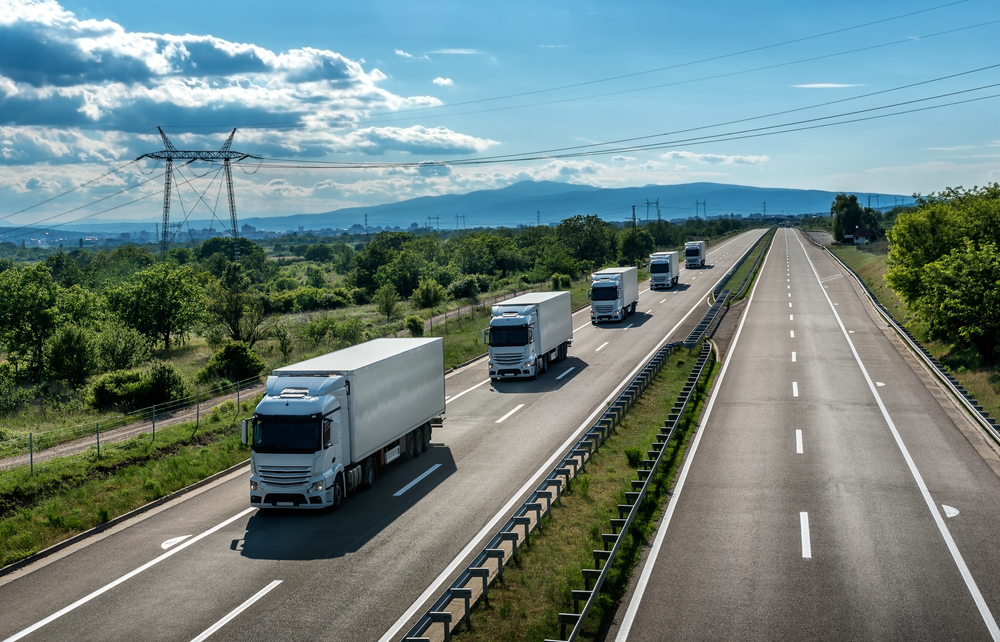
Trailers being tracked across road

How to Choose the Right Platform:

The right software depends on your fleet and how you work. Five things are worth settling before you decide.

  1. What evidence do you need to produce? If you are RTMS certified or working towards it, or if customers audit you, start from the records you have to be able to show and work backwards.

  2. What happens when something looks wrong? Ask what triggers an alert, who receives it, and how fast. A platform that reports an exception the following morning is a different product from one that flags it live.

  3. Does it cover the whole fleet? Including trailers, subcontracted movements, and light vehicles, not only the truck-tractors.

  4. Will it connect to what you already run? ERP, HR, fuel card, and accounting integration decides whether the data reaches the people who act on it.

  5. What happens after installation? Software is bought once and used every day. Ask who is accountable six months in, and whether analysis is included or chargeable.

Get started with MICHELIN Connected Fleet

We work with South African operators across road freight and field services, and what we offer alongside the platform is a dedicated expert rather than a login: someone who reviews your data with you, tells you what it means, and helps turn it into a plan. You can see how that has worked for operators like Fadel Logistics and To Anywhere Carriers in our customer stories.

If you want to see the platform against your own fleet, your own routes, and the records you actually have to produce, then be sure to get in touch today.

Fleet Management Software FAQs

How much does fleet management software cost in South Africa?

+

It depends on fleet size, vehicle types, and which capabilities you need. Most providers charge a monthly subscription per vehicle that scales as the fleet grows, and hardware may be bought or included depending on the arrangement. A meaningful figure only comes out of a conversation about what you actually need.

Does fleet management software help with RTMS certification?

+

It helps you produce and keep the evidence certification depends on, which is usually the hard part. RTMS requires records for all vehicles, trips, and drivers, and two of its five pillars cover vehicle maintenance and performance monitoring. Software will not make an operation certified on its own, and no supplier should tell you otherwise, but it does mean the records exist when an auditor asks.

What is the difference between fleet management software and vehicle tracking?

+

Tracking tells you where a vehicle is. Fleet management software takes that position data and everything else the vehicle produces, and turns it into scheduling, maintenance planning, compliance records, and cost reporting. Tracking is one input; the platform is what you do with it. Our vehicle tracking page, linked above, covers the tracking side in detail.

Can it monitor trailers and subcontracted vehicles?

+

Trailers, yes, including when they are pulled by a vehicle you do not own, which is often where the visibility gap sits in a South African operation. Subcontracted vehicles depend on what equipment is fitted and what the subcontractor agrees to share, so it is worth establishing early rather than assuming.

Does it work on long-haul and cross-border routes?

+

Yes, though it is worth asking any supplier about coverage on the specific corridors you run and what happens to data when a vehicle is out of network. Records should buffer on the device and upload when the connection returns, so the history is complete even where the live view is not.

Is driver tracking allowed under POPIA?

+

Processing driver location data is lawful when it is done properly: with a lawful basis, transparency about what is collected and why, access limited to those who need it, and retention no longer than the purpose requires. What is not advisable is installing first and explaining afterwards. Confirm your own arrangement with your legal adviser.

Get in touch