How can we help?

Fleet management solutions

Industries

Partners

Insights

We are MICHELIN

Contact us

What does fleet management software do?

Fleet management software centralises everything you need to run your vehicles on a single platform, including location, mileage, condition, driver behaviour and compliance. Instead of chasing information across spreadsheets and systems, you see your whole operation in one place and act on it in real time.

truck driver with tablet

Key Features of Our Fleet Management Software

  • Real-time vehicle tracking: See every vehicle and driver live on a map or dashboard, wherever you are.
  • Automated maintenance & inspections: Schedule servicing and regulatory inspections based on real mileage and usage, and avoid unplanned downtime.
  • Route & fuel optimisation: Analyse journeys, cut unnecessary mileage and reduce fuel spend.
  • Driver behaviour & safety monitoring: Identify risky driving, trigger alerts and access infringement data to coach your team.
  • Custom dashboards & reporting: Track TCO and the KPIs that matter to your business, and pull reports in a click.
  • EV transition support: Spot which vehicles suit electrification and monitor real-world EV performance.
  • Business-system integration: Connect the software to your existing ERP, HR, fuel and accounting tools to remove duplicate data entry.

Easy to use, whatever the size of your fleet

You shouldn’t need a training programme to run your fleet. Our software is built around a clear, intuitive dashboard that puts the information you need a click away.

  • Accessible anywhere - manage your fleet from a desktop, laptop, tablet or phone. Nothing to install.

  • Fast to get started - straightforward onboarding so you see value quickly, not months down the line.

  • Scales with you - the same platform works whether you run a handful of vehicles or a large, mixed fleet. Even smaller operations get enterprise-grade visibility without the complexity.

  • Organised your way - create groups, filters and access rights by team, site or region so everyone sees exactly what they need.

Integrations that fit how you already work

Fleet data is only useful when it connects to the rest of your business. Our software is built to plug into the systems you already rely on, so information flows automatically and your team stops re-keying data.

  • Telematics & onboard hardware - vehicle data (location, mileage, condition, driving events) is captured automatically and fed into the platform.

  • Business systems - connect to ERP, HR, fuel-card and accounting systems to synchronise data and eliminate manual re-entry.

  • Vehicle compatibility - works across combustion, electric, commercial and mixed fleets, including factory-fitted/OEM telematics where available.

  • APIs for your own systems - spanning GPS tracking, maintenance, fuel management, and more so your data can enrich the tools you already use.

Security and reliability you can trust

Your fleet data is business-critical, so it’s protected to a high standard.

  • ISO 27001 certified, with technical and cyber defences tested regularly by independent third parties.

  • Hosted across two fully controlled, redundant data centres in Europe with disaster-recovery provision.

  • Secure access and role-based permissions so people only see the data they’re authorised to.
ultimate-fleet-solution

The Benefits of our Fleet Management Software

  • Save administrative time - automated reminders and alerts, with all your fleet documentation centralised in one place.
  • Optimise routes and fuel - journey analysis that strips out unnecessary mileage and reduces fuel costs.
  • Stay ahead on maintenance - preventive scheduling based on real mileage and usage, not guesswork.
  • Make better strategic decisions - custom dashboards, TCO tracking and clear KPIs to guide your planning.
  • Improve driver safety - detect risky behaviour, send live driving alerts and review infringement data.
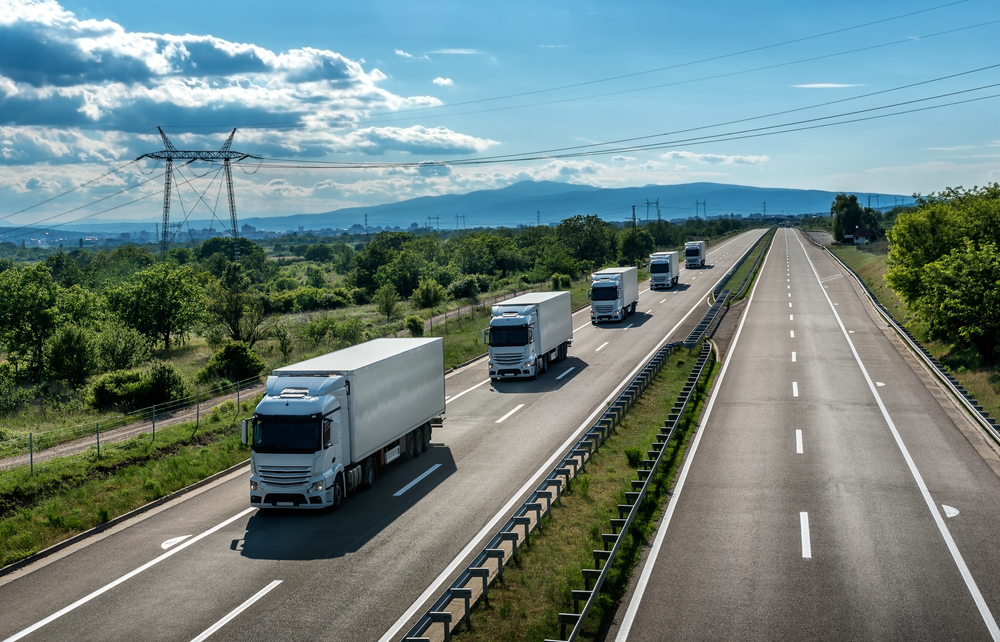
Trailers being tracked across road

How to Choose the Best Fleet Management Software:

The right software depends on your fleet and how you work. Before you commit, work through these:

  1. Number of vehicles. Choose a scalable solution that handles anything from a few vehicles to a large fleet, so you don’t outgrow it.

  2. Fleet type. Check compatibility with every vehicle you run, combustion, electric, commercial or mixed.

  3. Telematics needs. Decide whether you need real-time tracking with behavioural and operational data, or something lighter.

  4. Integration with your tools. The software should connect cleanly with your ERP, HR and accounting systems to keep data flowing.

  5. Fit to your business. A generic product gives you features you’ll never use and gaps where it matters. Look for a solution tailored to your priorities and ask the questions that reveal it:

Will it genuinely improve our fuel use? Rising fuel costs hit tight-margin operations hardest; the solution should make savings visible and achievable.

Will it give us real visibility? You should be able to see what’s happening across the fleet in real time.

Will it improve driver and cargo safety? Look for behaviour analysis plus the ability to monitor vehicle and cargo condition.

Will it turn data into decisions? Dashboards that surface every optimisation opportunity beat raw data every time.

Fleet Management Software FAQs

What is fleet management software?

+

Fleet management software is a centralised platform that lets businesses oversee their vehicles and assets using data from onboard hardware. It provides real-time visibility and detailed reporting to support safer driving, cost control, regulatory compliance and overall fleet performance.

How does fleet management software work?

+

It connects to telematics devices fitted to your vehicles, which collect data such as location, mileage and vehicle condition. That data is transmitted to an online platform where fleet managers view dashboards, generate and analyse reports, and automate day-to-day processes.

Why use fleet management software?

+

It gives organisations full control of their fleet operations. By tracking routes, fuel consumption, driver behaviour, maintenance needs and compliance in one place, it supports better decisions, reduces waste and improves productivity.

How much does fleet management software cost?

+

Cost varies with fleet size, asset types and the features you choose. Most providers use subscription-based (software-as-a-service) pricing charged monthly, which keeps costs scalable as your fleet grows.

What features should fleet management software have?

+

At a minimum, look for real-time vehicle tracking, automated maintenance scheduling, route and fuel optimisation, driver behaviour monitoring, customisable reporting and dashboards, and integration with your existing business systems. EV-readiness is increasingly important too.

Is fleet management software easy to use?

+

Good fleet management software is designed to be used without specialist training. Look for an intuitive dashboard, access from any device with no installation, and straightforward onboarding so your team is productive quickly.

Does fleet management software integrate with other business systems?

+

Yes. Fleet management software connects to ERP, HR, fuel, and accounting systems so data synchronises automatically and your team avoids duplicate entry. Many also support telematics and factory-fitted (OEM) hardware, with custom APIs where a standard connector isn't available.

Is fleet management software suitable for small fleets?

+

Yes. Even small fleets gain from automation and visibility, and a scalable platform means you only pay for what you need while keeping room to grow. Smaller operators often see the quickest efficiency gains.

Does fleet management software work with electric vehicles?

+

Yes. It can identify which vehicles are suited to electrification and monitor real-world EV performance, making it a useful tool for planning and managing an EV transition across a mixed fleet.

Get in touch