Accessibility

icon-contact

Contact

icon--phone

Sales

78-headset

Customer service

Blog

icon--login

Log in

How can we help?

Fleet management solutions

Industries

Partners

Insights

We are MICHELIN

Contact us
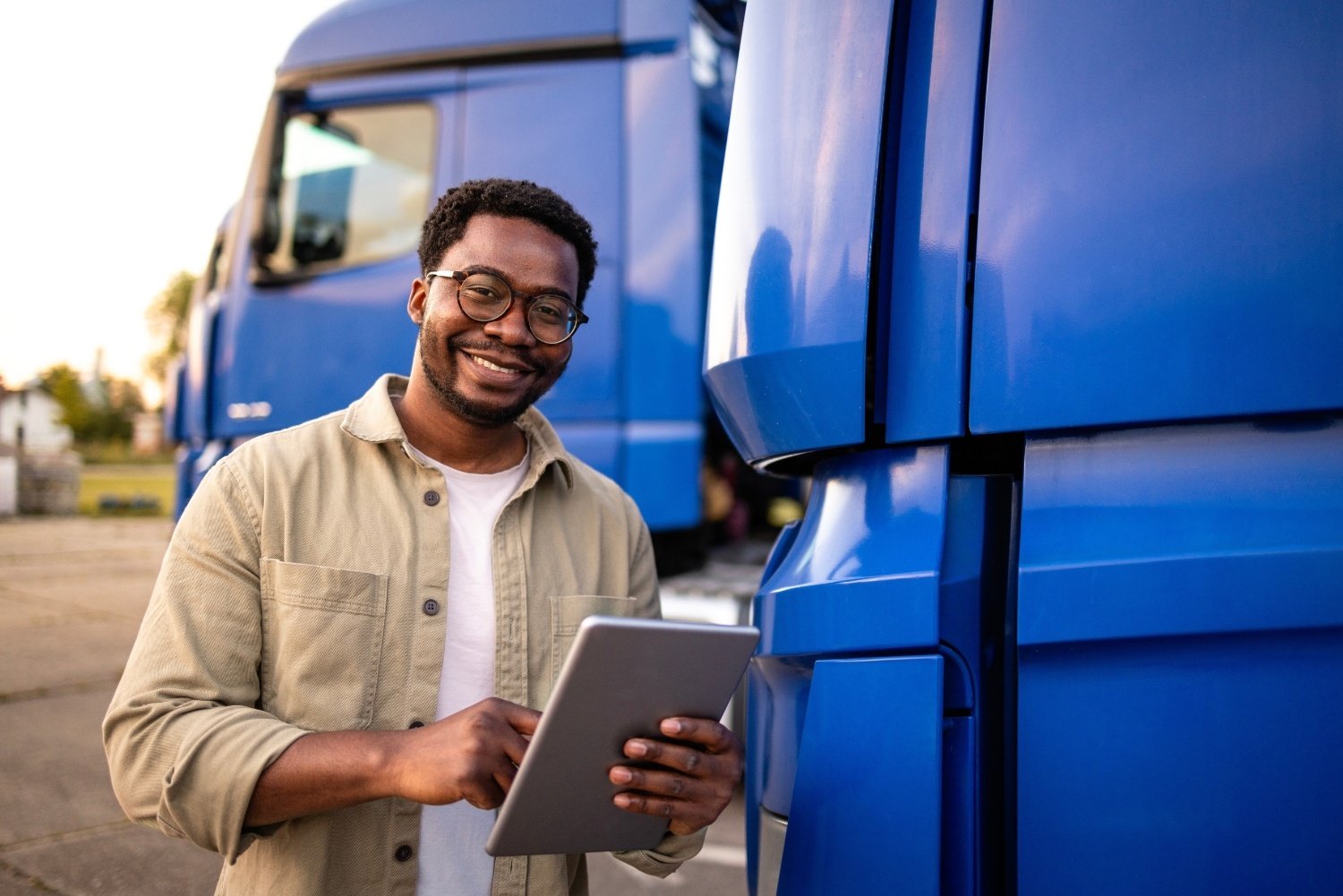
truck driver with tablet

Tracking Trailers: THE NEEDS

  • Real-time visibility of your trailer fleet’s location.
  • Protecting cargo with instant security alerts.
  • Ensuring compliance with DVSA regulations using EBPMS, and with EU regulations through TPMS.
ultimate-fleet-solution

THE BENEFITS of a Trailer Tracking Solution

  • Boost productivity by maximising trailer utilisation and reducing the risk of theft.
  • Increase uptime by detecting faults early to prevent costly breakdowns.
  • Control costs by saving on roller brake tests and avoiding expensive maintenance.
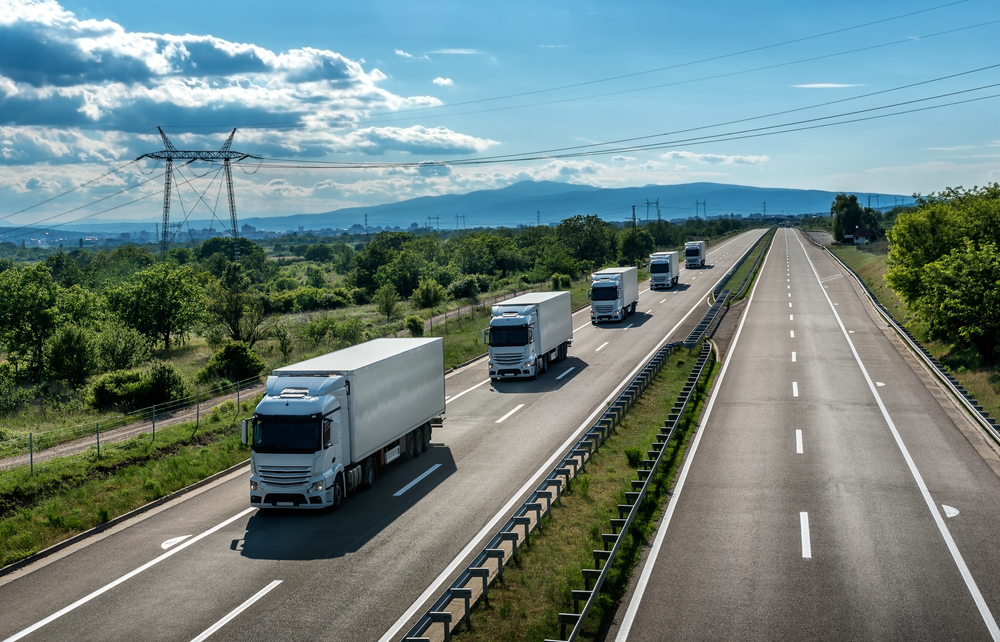
Trailers being tracked across road

Trailer Fleet Management Helps You:

  1. Receive immediate notifications when a trailer moves outside a predefined area or during unauthorised hours.

  2. Track journey duration, distance, speed and stops in real time, whether for swift recovery or historical analysis to compare performance.

  3. View empty and loaded status to maximise usage and determine the optimal number of trailers you need.

  4. Get preventive maintenance alerts to detect and resolve faults before they lead to major breakdowns, extending your fleet’s lifespan.

  5. Easily identify which trailer is coupled with which vehicle, ensuring the right connections for each journey.

  6. Set payload limits in line with cargo regulations and receive notifications on overloading.

The trailer types we help you track

Trailers rarely look the same across a fleet, and the right setup depends on how each one is used. Our trailer tracking scales across mixed commercial fleets, including:

  • Box and curtain-side trailers - high-mileage HGV trailers where utilisation and coupling status matter most.

  • Flatbed and skeletal trailers - often unpowered and easily moved, so battery-powered tracking and movement alerts are key.

  • Refrigerated (reefer) trailers - where connected temperature monitoring protects temperature-sensitive cargo alongside location data.

  • Tankers, low-loaders and plant trailers - high-value assets where security, geofencing and recovery are the priority.

Not sure which configuration fits your fleet? Talk to an expert and we’ll match the hardware and the plan to how your trailers actually operate.

How to choose a trailer tracking system

A few questions usually decide the right setup:

  • Powered or unpowered trailers? Unpowered assets need rugged, battery-powered trackers with a long standalone life; powered trailers can use a wired install.

  • Aftermarket or OEM telematics? Data can be captured via aftermarket devices or OEM telematics already fitted to your trailers.

  • Do you need EBPMS or TPMS? For DVSA brake compliance and tyre safety, choose a system that integrates with your trailers’ EBS and tyre sensors.

  • Cold-chain requirements? Refrigerated fleets should add temperature monitoring to the same dashboard.

  • Fleet size and growth? Choose a system that scales from a handful of trailers to a large mixed fleet on one platform.

For a deeper walkthrough, see our full guide to trailer tracking systems and 6 reasons to adopt trailer fleet management.

Security and stolen-trailer recovery

Trailers are among the easiest assets to lose track of, and high-value units are a frequent target for organised theft. Trailer tracking helps you prevent loss and recover assets quickly: geofencing flags any trailer that leaves a defined area or moves during unauthorised hours, instant alerts let you act before a theft escalates, and detailed location history supports a fast recovery and helps law enforcement locate a stolen trailer.

Our Trailer Tracking Device and System

Central to our trailer tracking system are devices built to withstand the rigours of daily operations. With advanced connectivity and hardware made to last, available as wired or battery-powered units for powered and unpowered trailers alike, they ensure real-time communication so you’re fully informed at all times. Fleets can also benefit from TPMS through tyre-sensor integration, as well as EBPMS capabilities.

All data is captured either via aftermarket telematics devices or the OEM telematics installed in your trailers, then transmitted to trailer tracking software for fleet managers to view. Designed to scale, the system works for fleets of any size, giving you a centralised dashboard for all your trailer management needs to maximise control and efficiency.

Trusted by UK fleets, see how we work with operators like Jaga Brothers, who saved £35,000 in fuel costs across its fleet of 42 trucks and a further £5,600 in tyre replacements on its 130 trailers, after partnering with MICHELIN Connected Fleet.

Fleet Trailer Tracking FAQs

What is trailer tracking?

+

Trailer tracking gives fleet managers real-time visibility of the location and status of every trailer in their fleet. Using telematics data, they can optimise routes, improve asset utilisation, and right-size their trailer fleet, boosting productivity while reducing operating costs.

How does trailer tracking work?

+

Each trailer is fitted with a GPS tracker that reports its location in real time, whether the trailer is moving or stationary. The data is sent to trailer tracking software, where fleet managers view it on a central dashboard. Integrated EBPMS and TPMS can also flag overloading, braking issues or tyre faults.

What types of trailers can you track?

+

Our trailer tracking scales across mixed commercial fleets, including box and curtain-side HGV trailers, flatbeds and skeletal trailers, refrigerated (reefer) trailers, and high-value assets such as tankers, low-loaders, and plant trailers. The right hardware depends on whether the trailer is powered or unpowered and how it is used.

How do I choose the right trailer tracking system?

+

Start with how your trailers operate: powered or unpowered, the need for EBPMS/TPMS or cold-chain monitoring, whether you use aftermarket or OEM telematics, and your fleet size. We’ll match the hardware and plan to your operation, so be sure to talk to an expert to scope it.

How much does trailer tracking cost?

+

Pricing depends on the number of trailers, the hardware required and the features you need (such as EBPMS, TPMS or temperature monitoring). We tailor a plan to your fleet, simply get in touch for a quote built around your operation.

Why is trailer tracking important?

+

Trailer tracking improves utilisation, strengthens security, and supports compliance. Maintaining correct tyre pressure with TPMS improves fuel efficiency and lowers emissions, while continuous monitoring of brakes and tyres upholds safety and reduces unplanned downtime and maintenance costs.

Who is trailer tracking for?

+

Trailer tracking is built for commercial and HGV fleets that rely on trailers to move goods. Automated coupling status shows managers which trailers are attached, loaded or empty, and real-time location and speed data give comprehensive oversight of the whole trailer fleet.

What is a trailer tracking device?

+

A trailer tracking device is hardware that uses GPS to monitor a trailer’s location, movement and status. Available as wired or battery-powered units, trailer trackers deliver live updates so managers can locate assets, increase security and streamline operations.

What is trailer tracking software?

+

Trailer tracking software is the platform where the data lands with geofencing, customisable alerts, and in-depth reporting. Advanced systems also include predictive maintenance alerts and theft-prevention tools, bringing efficiency, security, and visibility into one dashboard.

How does trailer tracking help recover a stolen trailer?

+

Geofencing and unauthorised-movement alerts warn you the moment a trailer is moved without permission, and continuous location history gives an accurate position to support recovery and help law enforcement locate the asset.

Get in touch